Full Moon
Why We Have Phases of the Moon — and Why This Thursday’s Moon Is Extra Special
This Thursday brings a beautiful combination in our night sky: a Full Moon, a Supermoon, and December’s traditional Cold Moon.
Supermoons occur when the Moon is slightly closer to Earth in its orbit, making it look a little larger and brighter than usual. The Cold Moon is the seasonal name given to the final Full Moon of the year.

Moments like these are perfect reminders of how mesmerising our sky can be—and why understanding it feels so rewarding.
As a physics teacher, the phases of the Moon were always a favourite topic. They’re not tested at GCSE or A Level, which means they offer something rare in education: pure learning for the joy of it. And honestly—how can anyone go through life without knowing when the Moon is waxing gibbous? 🌔
So, with clear skies hopefully on the way, let’s dive into the question: why do we have phases of the Moon at all?
🌍🌙☀️ Why the Moon Has Phases
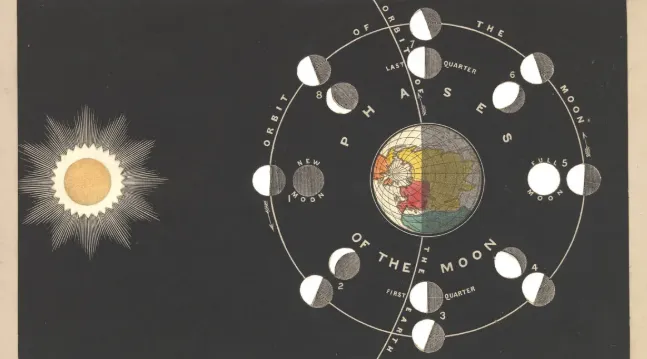
The Moon doesn’t create its own light—it reflects sunlight. As it orbits Earth, the angle between the Sun, Earth, and Moon changes. This means we see different portions of the Moon’s sunlit side from night to night.
✔ The key idea:
The phase of the Moon depends on how much of the sunlit half we can see from Earth.
🌞 1: Full Moon - Sun, Earth, and Moon
A Full Moon happens when the Sun, Earth, and Moon form a straight line (or close to it), with Earth between the Sun and Moon. That’s why the fully illuminated side faces us.

The Sun on the left shining light
Earth in the middle
The Moon, at this point in the month, is on the opposite side of the Earth to the Sun
🌔 2: Waxing vs Waning - Waxing Gibbous
A waxing gibbous Moon appears because the Moon is moving toward the Full Moon phase, letting us see more than half of its sunlit side as it orbits Earth.

Waxing = growing illumination
Waning = shrinking illumination
Gibbous = Not as illuminated as a full moon, but more than a quarter moon (meaning humpbacked in Latin and Middle English
🌕 And This Week: The Full Moon
This Thursday, if the weather cooperates, you’ll be able to see the Moon glowing brightly in the night sky while the Sun sets or rises on the opposite horizon—a beautiful alignment that makes astronomy feel real, grounded, and right above our heads.
🌤 Wishing You Clear Skies
I’m wishing you all clear skies this Thursday to see the Moon and the Sun on opposite sides of us, with Earth right in the middle.
It’s one of nature’s simplest and most stunning demonstrations—and a perfect moment to pause, look up, and remember that we live in a spectacular system of celestial clockwork.


